Accounting and tax across countries
AI-first accountants for cross-border work.
We bring together accountants in different countries to work on your tax and accounting. We also share our knowledge openly, through a free, open-source plugin for the AI you already use.
Works with ChatGPT, Claude, Gemini and Cursor.
The accountants
Meet the accountants behind OpenAccountants.
Explore their qualifications, countries and published work. Your written engagement names the accountant responsible for your work and what they will take on.

Michael Cutajar
Malta
CPA · ACCA
Ryan Duguid
Australia

James Wallach
United States

Nathan Wiebe
Canada

Werner Britz
South Africa
CA(SA)
Julian Njoroge Maina
Kenya
CPA

Miguel Lantigua
Dominican Republic
CPA

Yeong Min Lee
South Korea
ACCA · CPA

James Power
United Kingdom
CIMA
Ahmed Hassan
Sudan
Andrija Eminovic
Serbia
Arshad raza
India

Ashish Bista
Nepal
ICAI · OTHER · CA
Aymen Touati
France

Baraka Cassian
Tanzania
CPA · CA · CTA

Christopher Aryee
United States
ACCA · CA · EA · CPA-CA

Christos Thoma
Cyprus
CA

Edgar Lautsyus
Canada
CPA-CA
firas masmoudi
Tunisia
Gvantsa Amiridze
Georgia
ACCA
Jonathan I. Ruiz
United Arab Emirates
CPA

Jose Padilla
Venezuela
CPA
Khushboo Talreja
Canada
CPA-CA

Lal kumarasiri
Sri Lanka
CA
Mauro Escudero
Colombia
CPA

Mayur Deokar
India
CA

Mehran Habib
Saudi Arabia
CA
Mr Moe Lwin Tun
Myanmar
MUHAMMAD HANIS MAT HUSSIN
Malaysia
MIA-MY
Nadir Khan
United Kingdom
OTHER
Omolola Fasasi
Nigeria
CA

RILIA PUTRI
Indonesia
CA · CPA
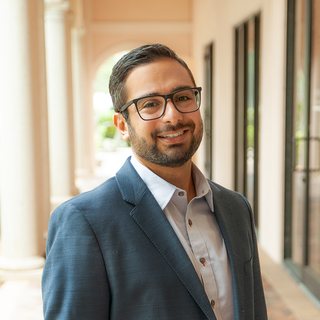
Rob Hoffman
United States
EA
Yiğit Çelikel
Turkey


Who we help
What brings you across borders?
Tell us the countries involved and the work you need. We’ll confirm how we can help.
My company operates in several countries
I sell to customers abroad
I’m opening a company abroad
I’m moving or running a business from abroad
What you can expect
Every country, every filing, and where the cash is going. One page.
One page for every country
What is due, what is filed and what we need from you.
A named accountant responsible in each country
You know who signs.
Agents do the routine work
A person checks every figure against the official source.
A monthly note in plain words
What was filed, what is next and what changed.
Group cash and the next 90 days
One number across every company, and the tax and payroll that will come out of it.
Halden Group
5 companies · 5 countries
- 6
- filings
- 2
- filed
- 1
- in progress
- 1
- waiting on you
- next due
- 7 Nov
- DEVAT advance return (UStVA), SeptemberHalden GmbHDue 12 OctFiled 9 OctAccountant, Germany
- NLVAT return (BTW), Q3Halden BVDue 2 NovFiled 16 OctAccountant, Netherlands
- UKVAT return (VAT100), Q3Halden LtdDue 7 NovIn progressAccountant, United Kingdom
- MTAnnual returnHalden Malta LtdDue 9 NovWaiting on youAccountant, Malta
- USDelaware franchise tax and annual reportHalden IncDue 1 Mar 2027Not startedAccountant, United States
- UKYear-end accountsHalden LtdDue 30 Jun 2027Not startedAccountant, United Kingdom
This month, in plain words
- Netherlands: Q3 VAT filed. €3,120 to pay by 2 Nov.
- United Kingdom: we need your September bank statement.
- Malta: please confirm the directors are unchanged.
Group cash and the next 90 days
in euro, at this month's rates
- DEHalden GmbH€41,200
- NLHalden BV€18,450
- UKHalden Ltd£26,800
- MTHalden Malta Ltd€9,300
- USHalden Inc$12,100
inoutcash at month end under each
- 2 NovDutch VAT, Q3€3,120
- 7 NovUK VAT, Q3 (estimate)£6,400
- 20 NovPayroll, 5 countries€38,900
November is the tight month: payroll and two VAT payments land before the December invoices are paid. Cash stays above €90k on current terms.
Accounting services
The accounting work we can take on.
Explore the work, what is included and its price. We confirm availability for the countries involved before you commit.
Bookkeeping and reporting
Reconciled books, management reports and year-end accounts.
VAT and sales tax
Registrations and returns, including selling abroad.
Payroll
Payroll preparation, payslips and employer filings.
Tax returns
Company and personal returns within the agreed scope.
Company setup
Formation and registrations when you open abroad.
Moving countries
Tax questions and filings when your circumstances cross borders.
Working with us
Published prices. Confirm the work, then start.
01
Tell us what you need
The countries involved, the work and any deadlines. The introductory call is free.
02
Confirm the work
We confirm your services, accountant, start date and total fee in writing, using the published prices for standard work or an individual proposal for large multinational groups.
03
Get started
Arrange the handover and begin the agreed work. You know who to contact.
Our accountants use AI for routine preparation and remain responsible for professional decisions.
How we work →Our knowledge, in the open
Use our knowledge before you work with us.
Explore our tax and accounting skills, follow their sources, or add OpenAccountants to ChatGPT or Claude. Access to our skills and AI connection is free.
Our plugin software is open source. Skills have their own licence.
Before we talk.
Can you help in the countries involved?
Tell us the countries and the work you need. We confirm availability before you commit, including any local professional required. A skill covering a country does not mean every service is available there.
Who will handle my work?
Your written engagement with OpenAccountants names the accountant responsible and their scope. Writing or checking a skill does not automatically assign that accountant to your enquiry.
How does pricing work?
Published prices apply to the services, limits and markets listed. Large multinational groups are quoted individually. Separately quoted work is marked in the price list; other unlisted accounting work uses our published hourly rate. Your written engagement records the services you select, the total fee and the accountant responsible. The introductory call is free; any other free introductory work is stated in the relevant offer.
What if I already have an accountant?
Tell us what your current accountant handles and the work you want us to take on. We agree the scope and any handover before starting.
Can I use the free tools without becoming a client?
Yes. Our skills and AI connection are free to use. They help with research and drafts; using them does not create an accounting engagement or submit a filing.
Tell us the countries involved and the work you need.
Book a free introductory call to discuss your situation.
Book a call